
Total Hip Replacement
Direct Anterior Approach in Hip Replacement
Understanding the principles behind the Direct Anterior Approach to hip replacement.
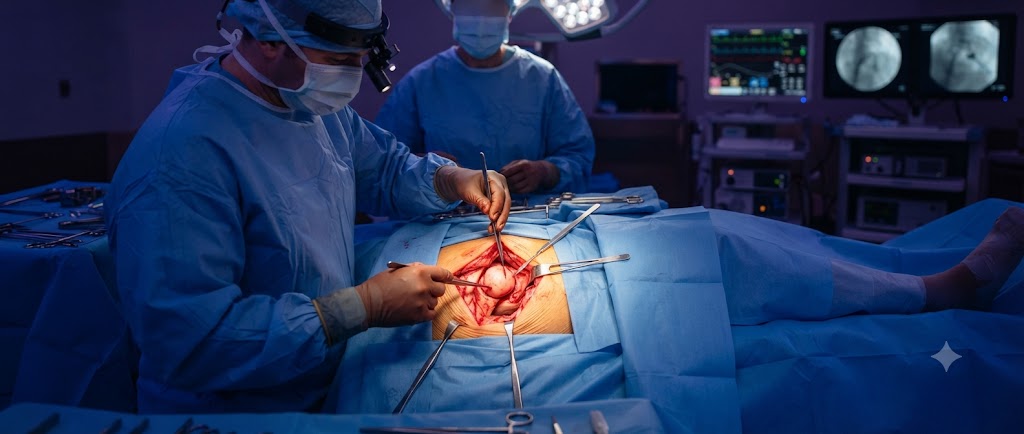
What is the Direct Anterior Approach?
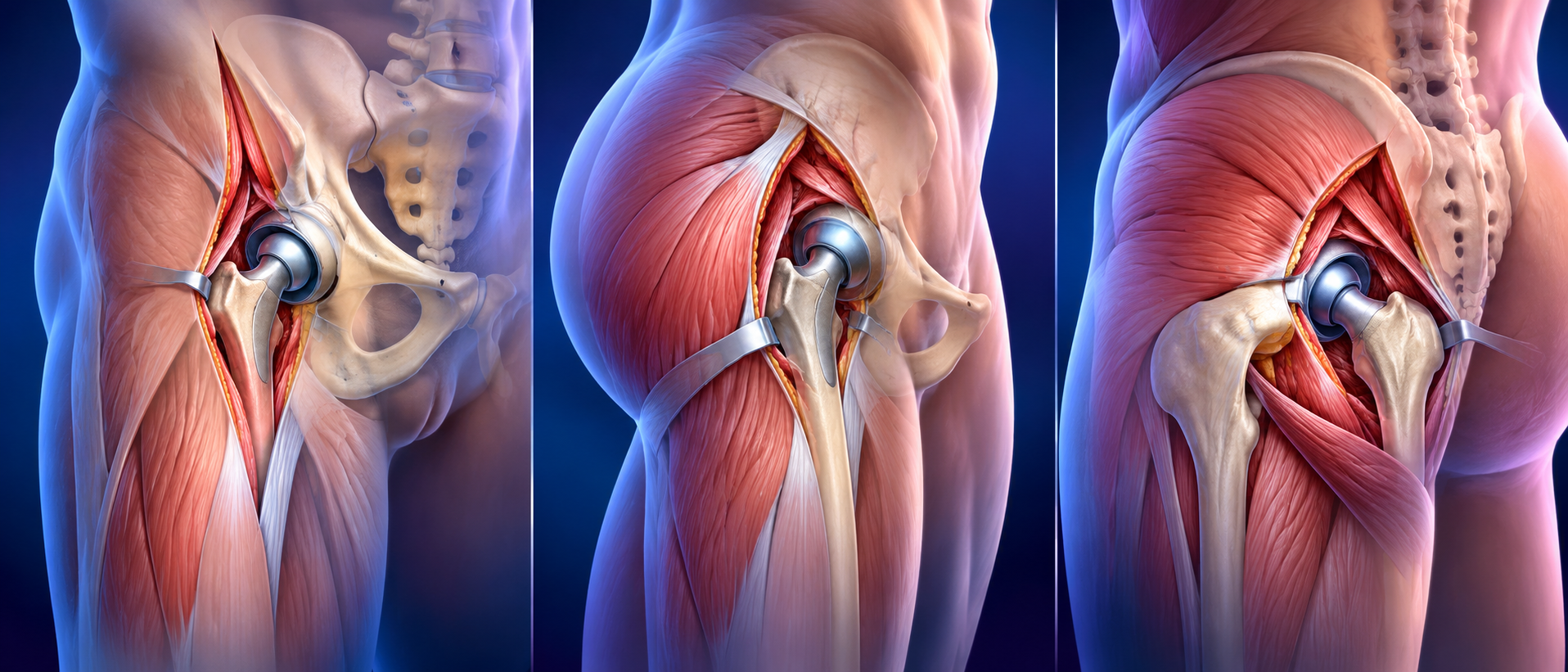
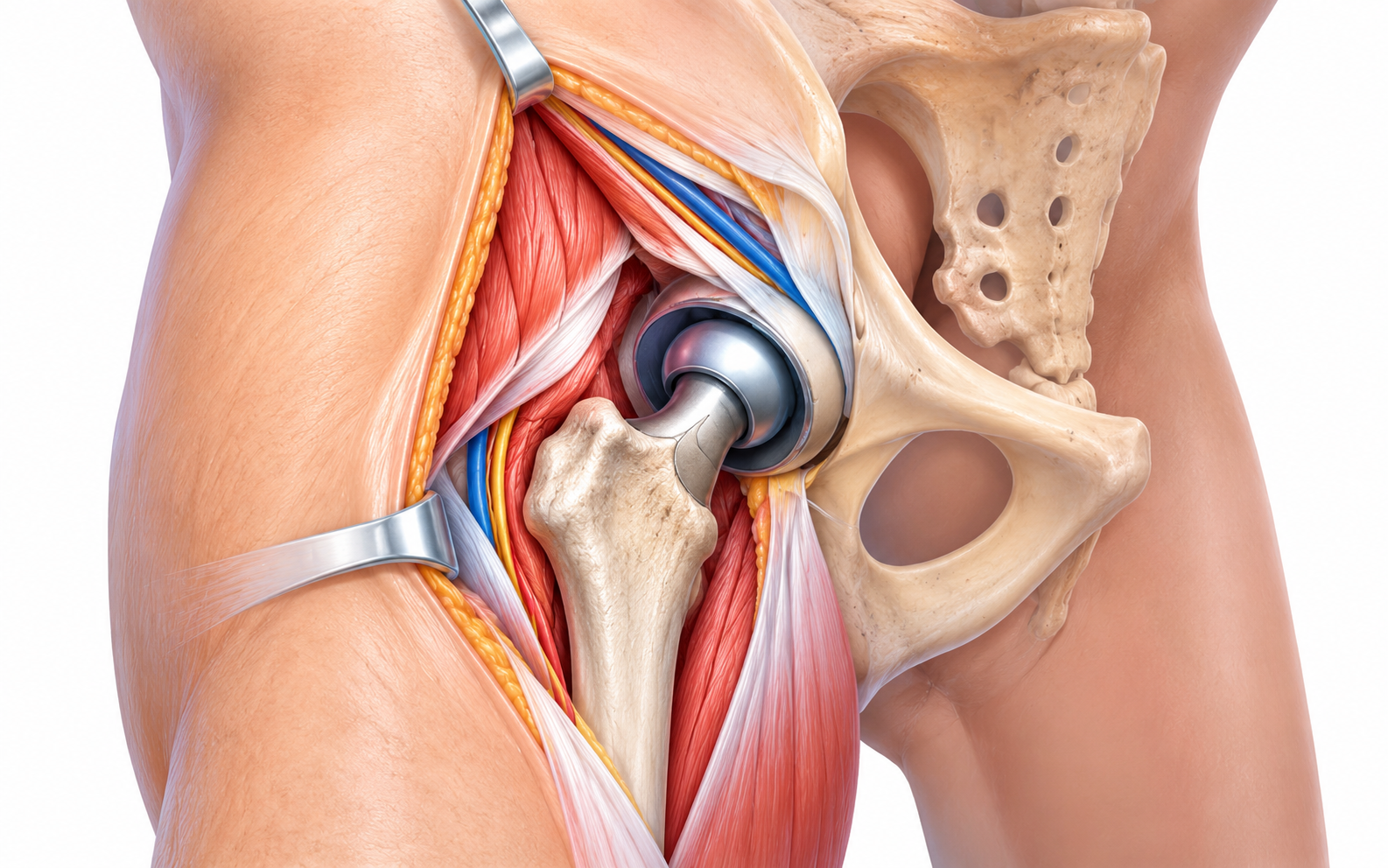
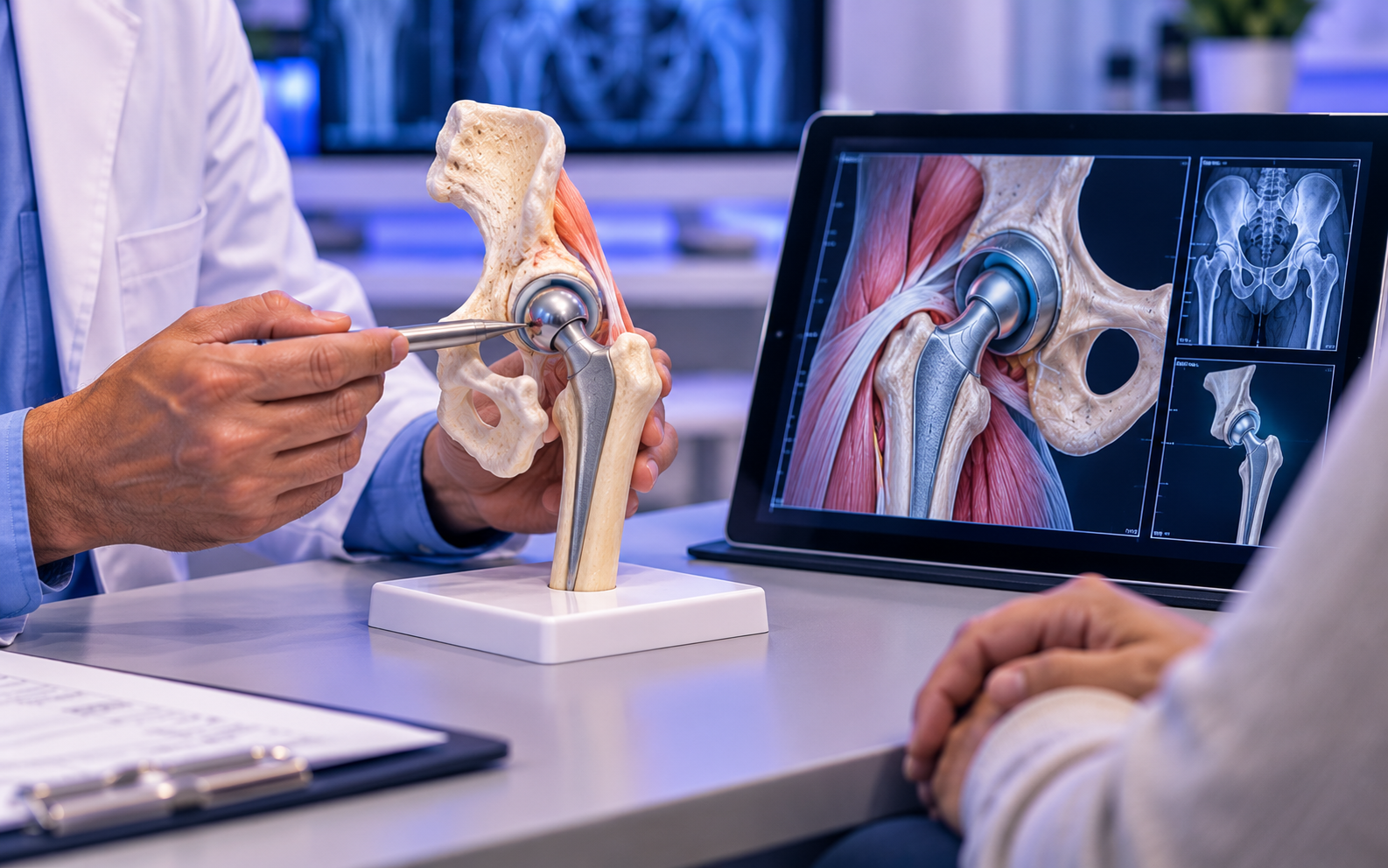
The Direct Anterior Approach (DAA) is a surgical technique for hip replacement where the hip joint is accessed from the front of the body. It is one of several approaches used in hip replacement surgery, and the choice of approach is a clinical decision made by the surgeon.
How is it different?
Traditional hip replacement approaches may access the hip from the side or back. The Direct Anterior Approach works from the front, which may influence the structures encountered during surgery and the recovery pathway. Suitability is determined by the surgeon after clinical assessment.
Approach
Front of the hip
The hip joint is accessed from the front of the body.
Consideration
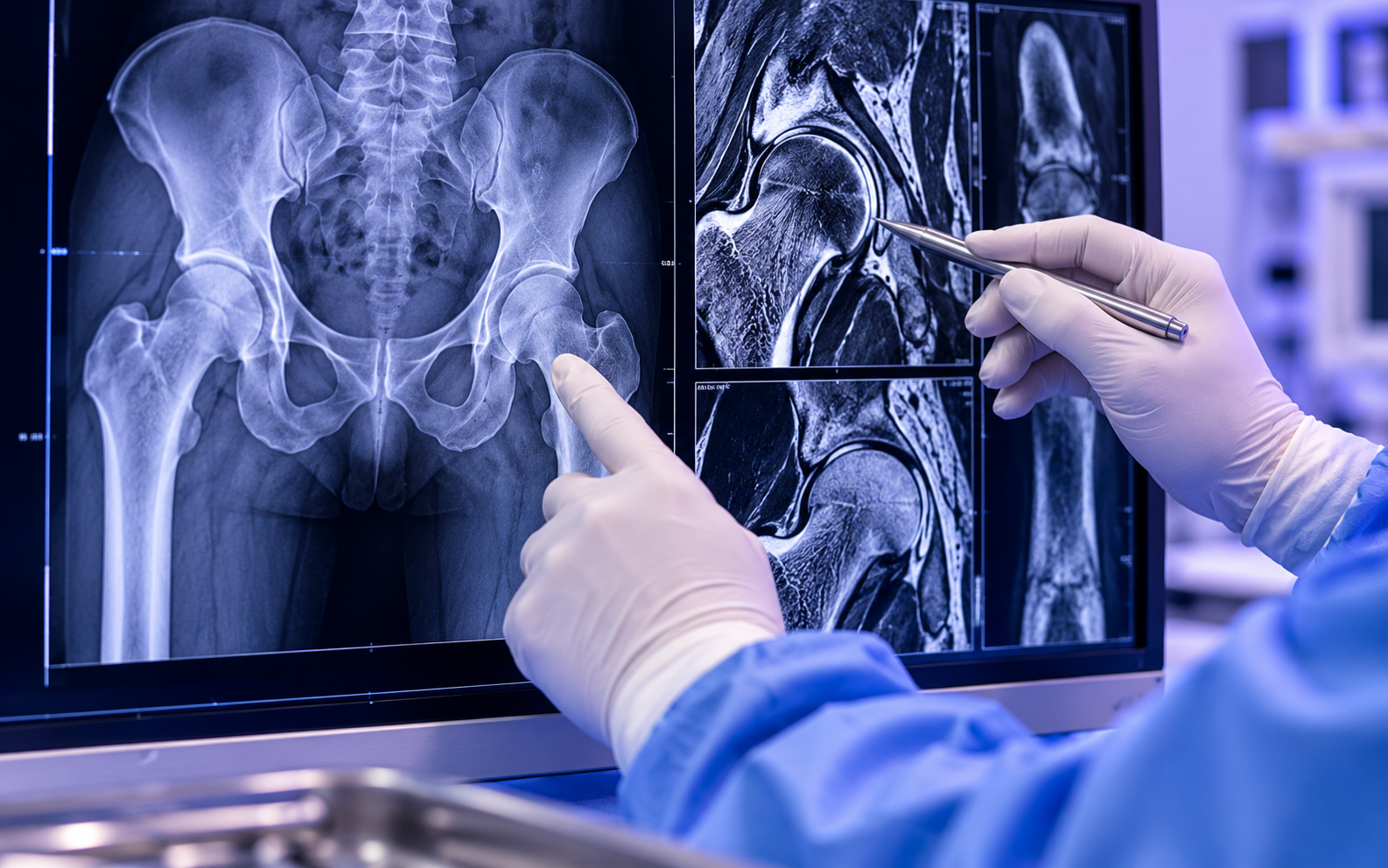
Not for every patient
Suitability depends on individual clinical assessment.
Planning
Surgeon-led
Your surgeon will discuss whether this approach is appropriate.
Is it suitable for everyone?
No. Whether the Direct Anterior Approach is used depends on several factors, including anatomy, previous surgeries, body habitus and the specific hip condition. Your surgeon will assess whether this approach is appropriate for your specific situation.
What are the potential advantages?

Because the approach works from the front, some surgeons consider it to have certain technical and rehabilitation-related characteristics in selected patients. However, individual outcomes vary and depend on many factors. Your surgeon will discuss what is realistic in your case.
What should I ask my surgeon?
- Whether the Direct Anterior Approach is suitable for my case
- What alternatives may be appropriate
- What my recovery may look like
- What precautions and physiotherapy are recommended
Recovery considerations
Recovery after hip replacement varies between individuals. Factors such as general health, home support, and participation in physiotherapy all play a role. Your surgeon will discuss post-operative care, activity restrictions, precautions and follow-up based on your specific situation.
Medical disclaimer: This article is for general educational purposes only and is not a substitute for personalised medical advice. Whether a procedure is appropriate depends on your individual clinical assessment, imaging and overall health.