
Treatment 04
Unicondylar Knee Replacement
Partial knee replacement for appropriate candidates. Only the affected compartment of the knee is resurfaced, preserving the healthy parts of the joint.
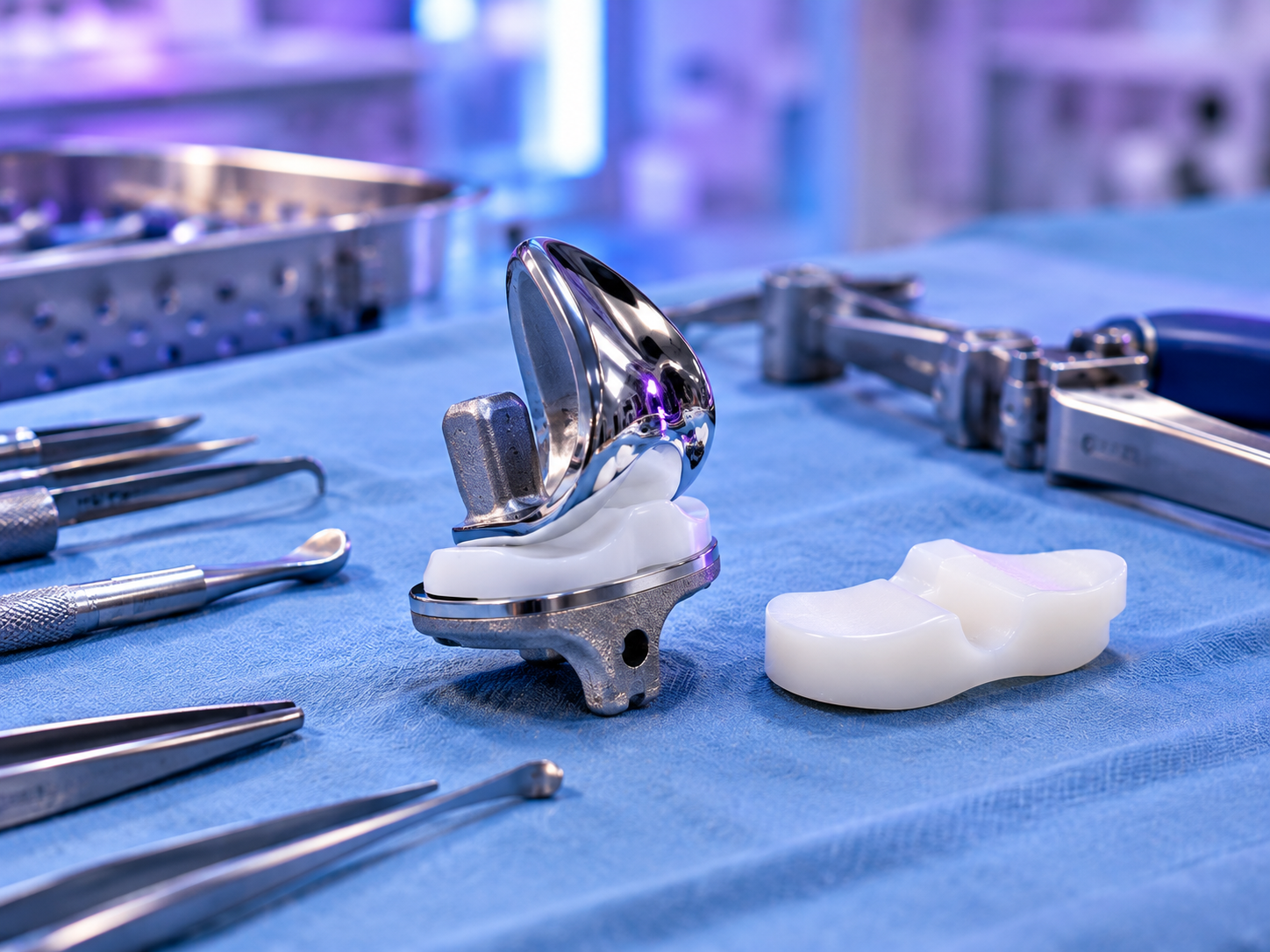
What is unicondylar knee replacement?
Unicondylar knee replacement (UKR) is a partial knee replacement in which only the affected compartment of the knee is resurfaced. It may be considered in selected patients whose arthritis is limited to one compartment. The healthy ligaments and the other compartments of the knee are preserved.
Why it may be considered
UKR is not suitable for everyone. Suitability depends on the pattern of arthritis, ligament stability and other clinical factors assessed by your surgeon.
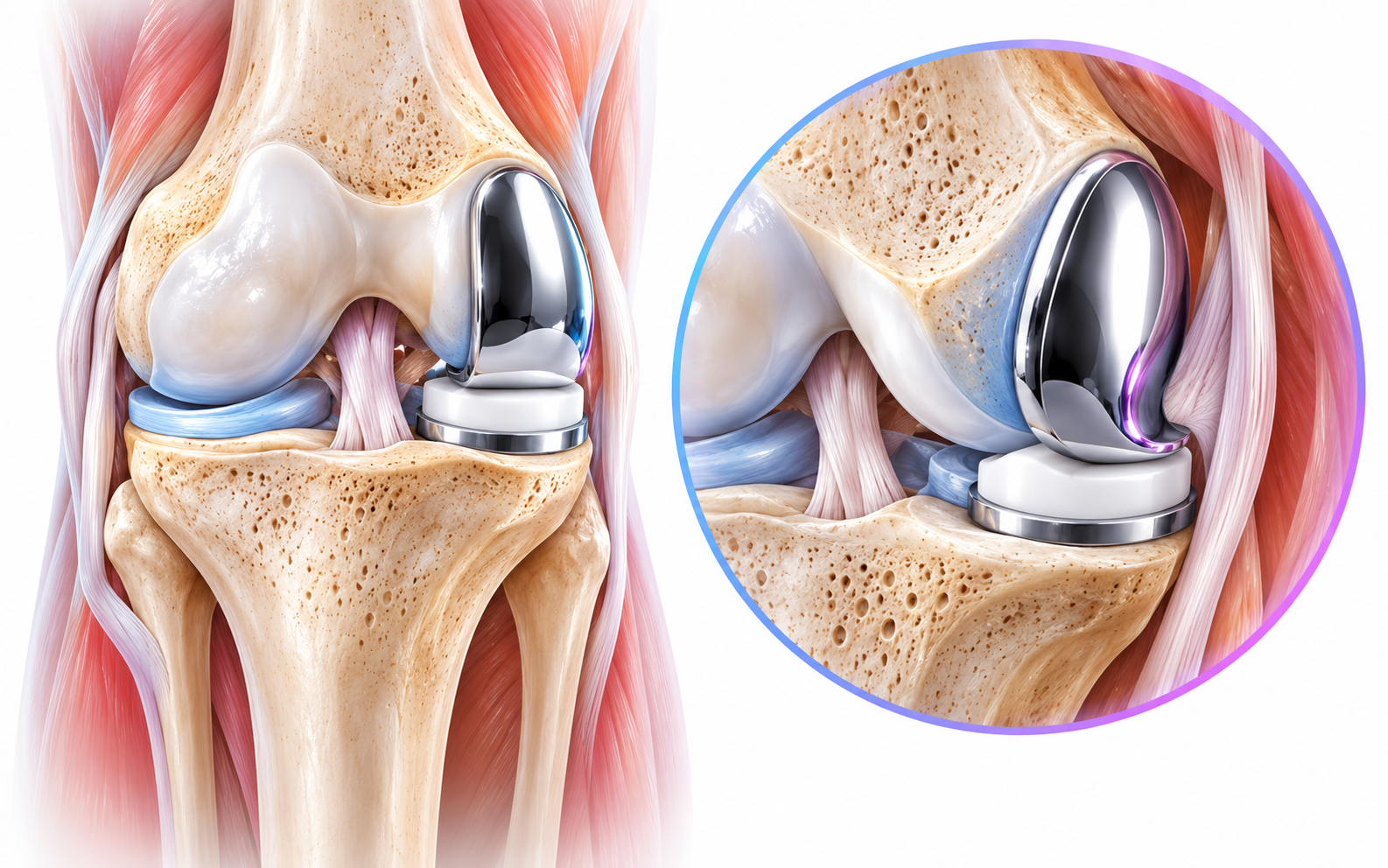
Scope
Partial Replacement
Only the affected compartment of the knee is resurfaced.
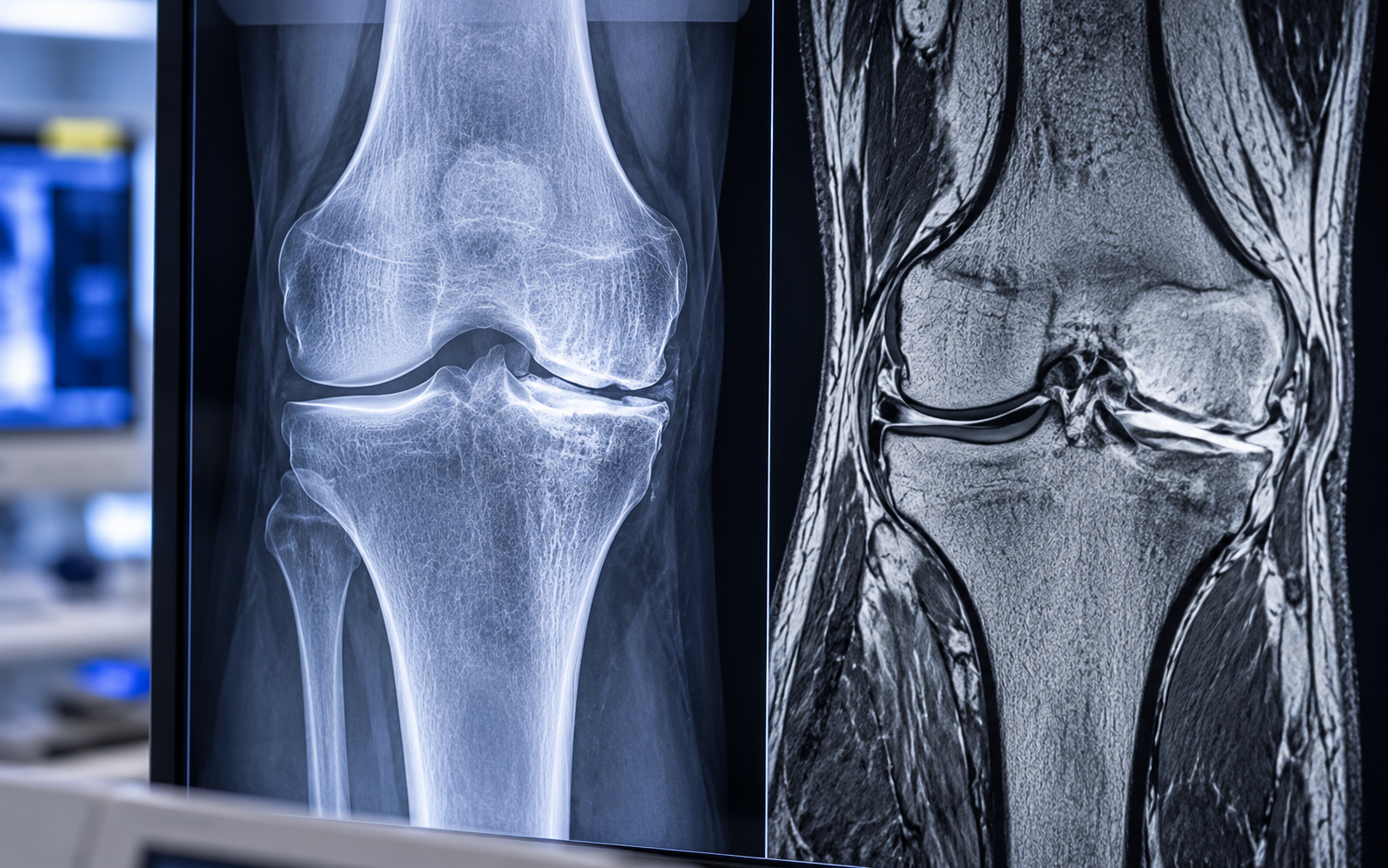
Candidacy
Selected Patients
Considered where arthritis is limited to one compartment.
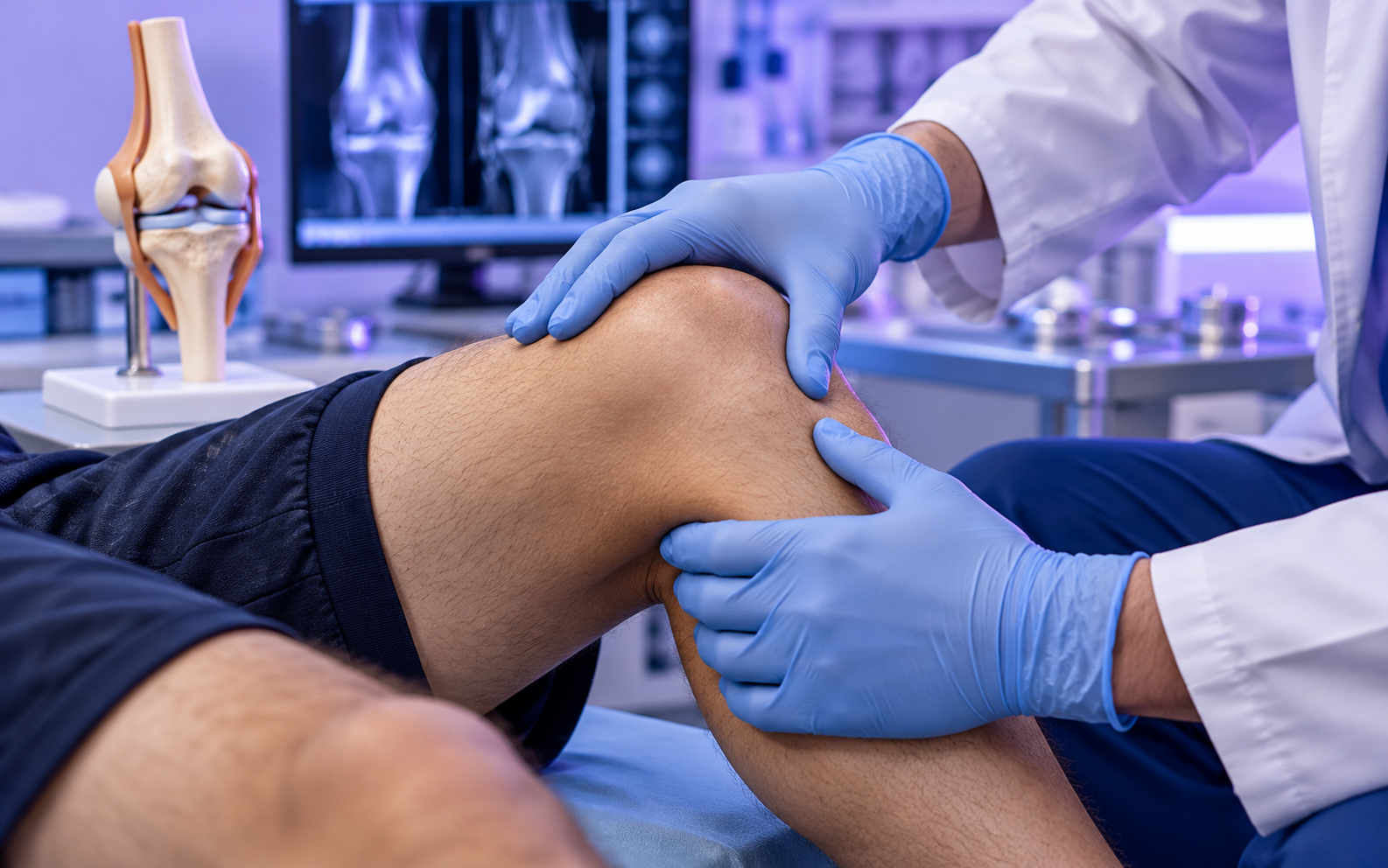
Assessment
Surgeon-Led Evaluation
Clinical examination and imaging guide the decision.
How UKR differs from TKA
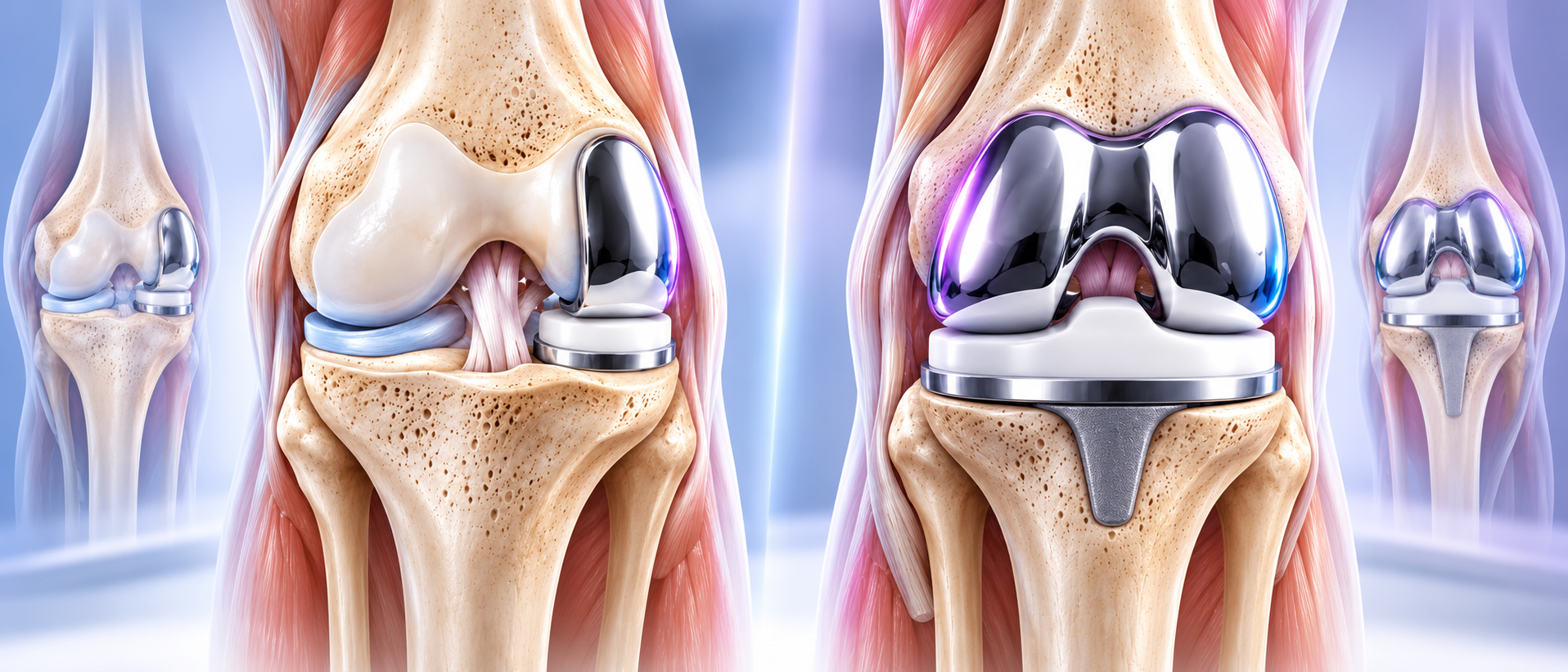
Unicondylar knee replacement resurfaces only one compartment of the knee joint, whereas total knee replacement (TKA) resurfaces the joint more completely. The choice between UKR and TKA depends on the pattern of arthritis, ligament function and other individual factors assessed during clinical evaluation.
Recovery considerations
Recovery varies depending on individual factors including general health, home support and physiotherapy participation. Your surgeon will discuss post-operative care and follow-up based on your specific situation.
Medical disclaimer: Information on this page is educational only and is not a substitute for personalised medical advice. Whether a procedure is appropriate depends on your individual clinical assessment, imaging and overall health.

FAQ
Common Questions
Candidacy depends on your clinical assessment and imaging. Your surgeon will discuss options with you.
UKR resurfaces only one compartment of the knee. TKA resurfaces the joint more completely. The right choice depends on the individual case.
Recovery varies depending on individual factors. Your surgeon will advise you based on your specific situation.