Total Knee Replacement
The Subvastus Approach: What Patients Should Know
An educational overview of a knee replacement technique that preserves the quadriceps tendon.
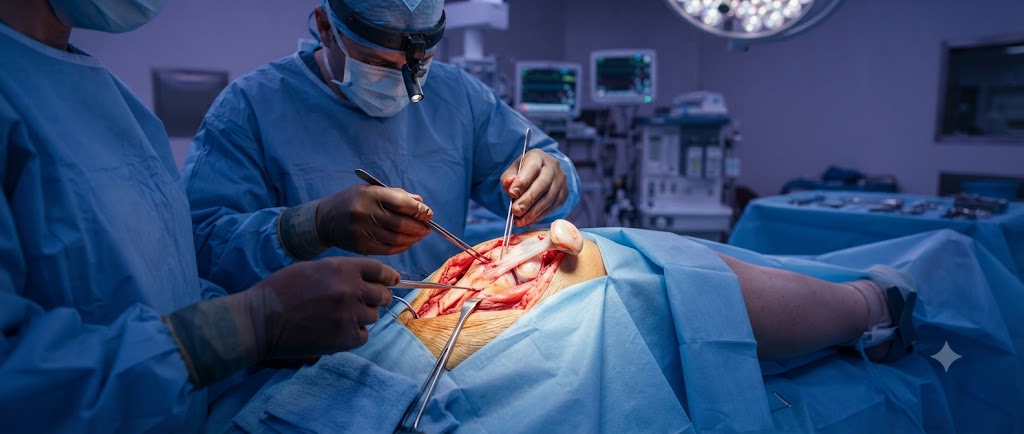
What is the Subvastus approach?
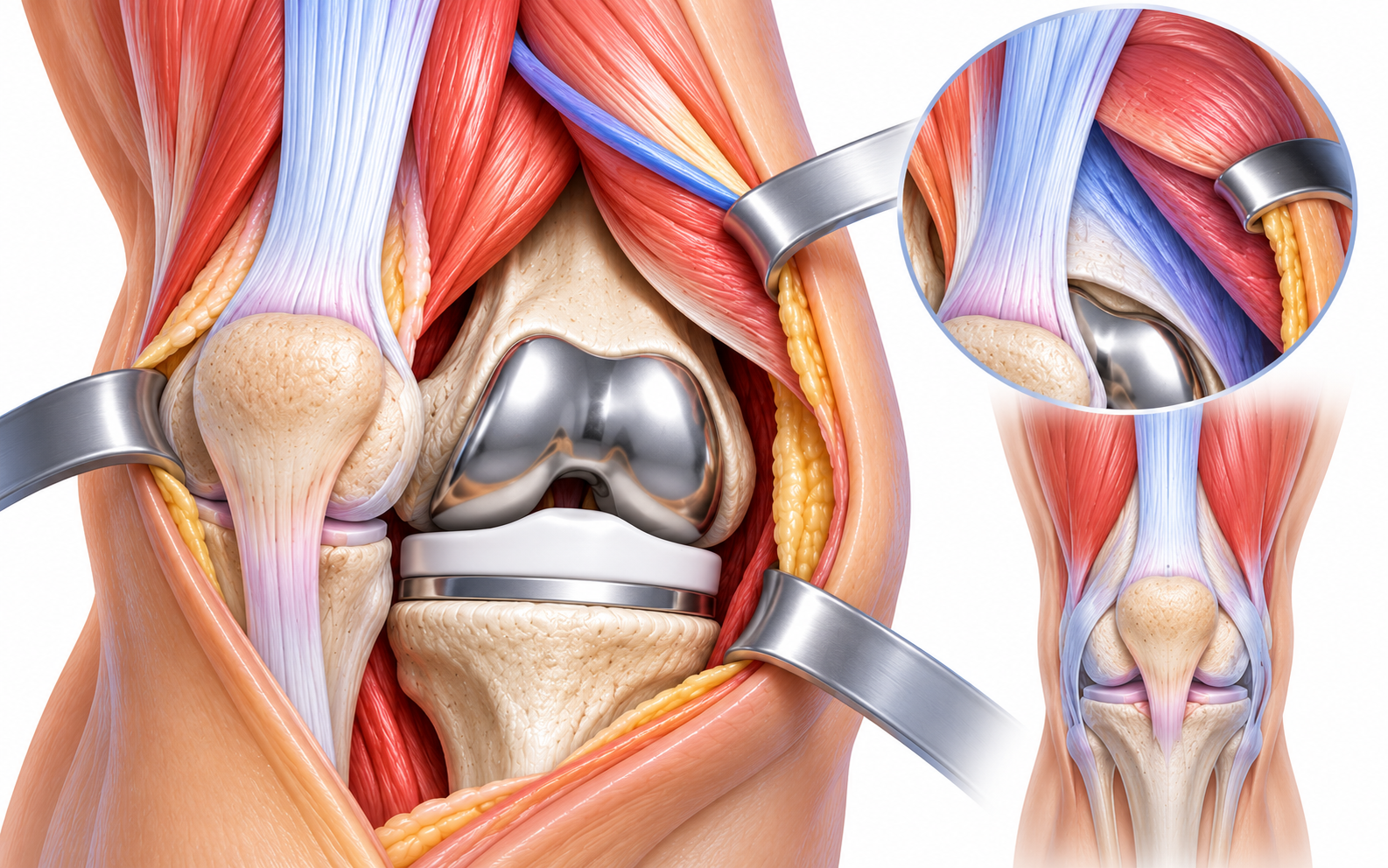
The Subvastus approach is a surgical technique used in knee replacement that accesses the knee joint while preserving the quadriceps tendon. Because the tendon is not cut, some surgeons consider this approach to support early rehabilitation in selected patients.
How is it different from other approaches?
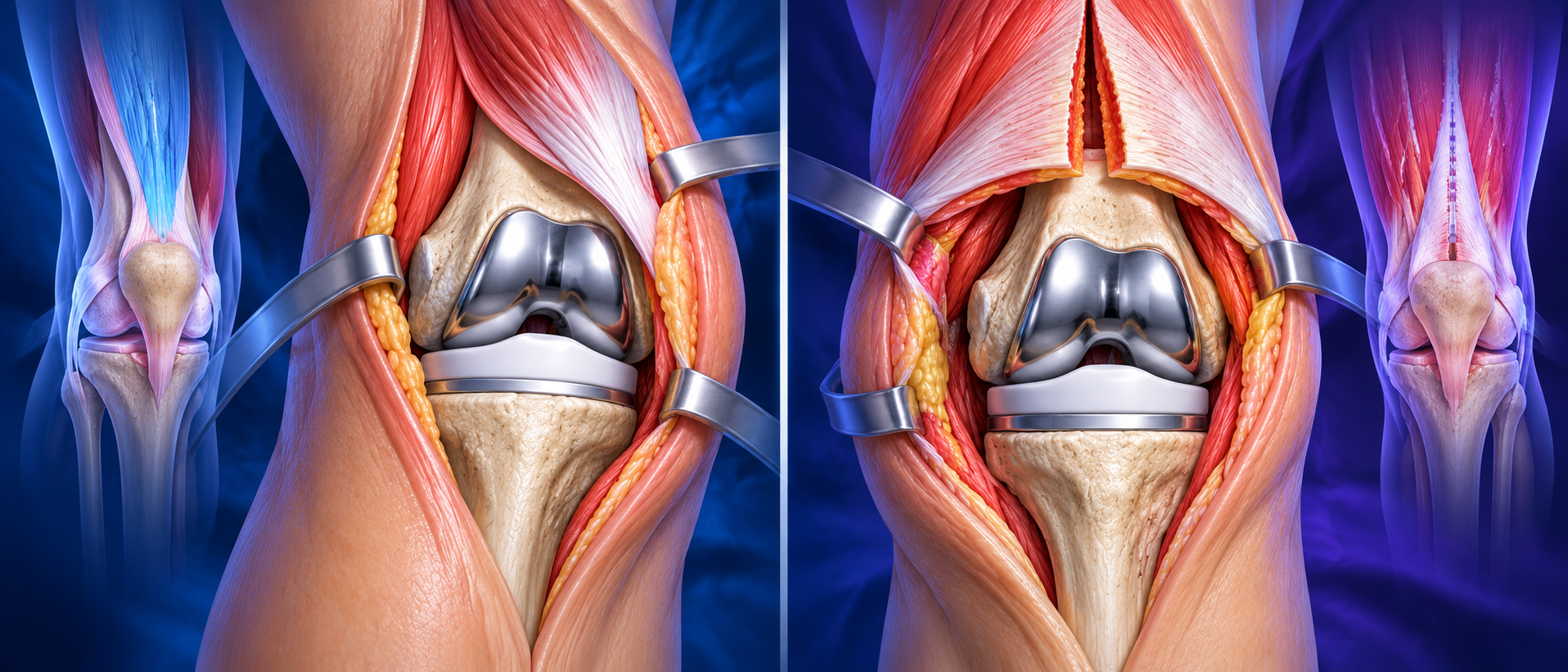
Traditional approaches to knee replacement may involve releasing or cutting parts of the quadriceps mechanism. The Subvastus approach works beneath the muscle, which preserves this structure.
Technique
Quadriceps-sparing
The quadriceps tendon is preserved during the approach.
Consideration
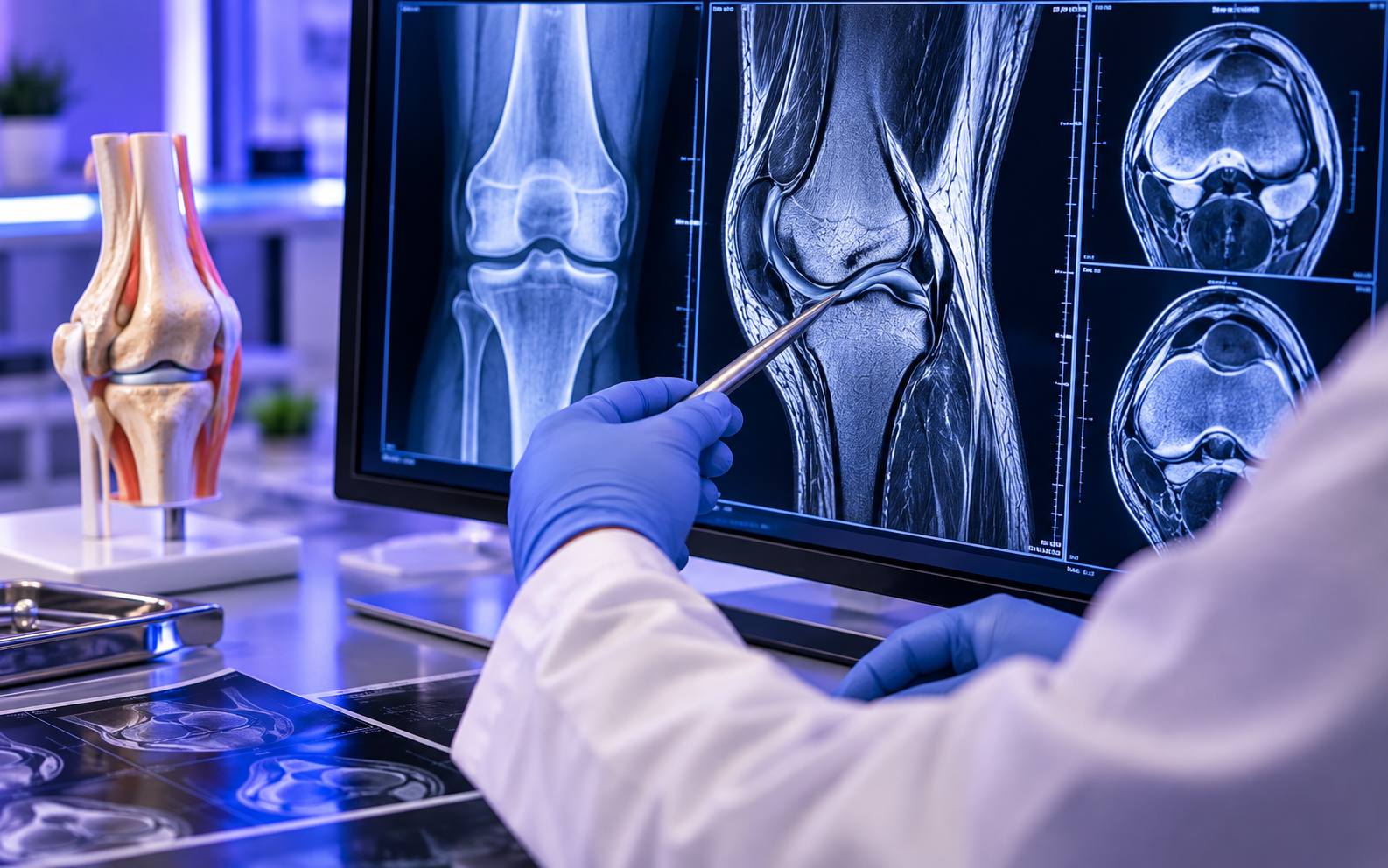
Not for every patient
Suitability depends on individual clinical assessment.
Discussion
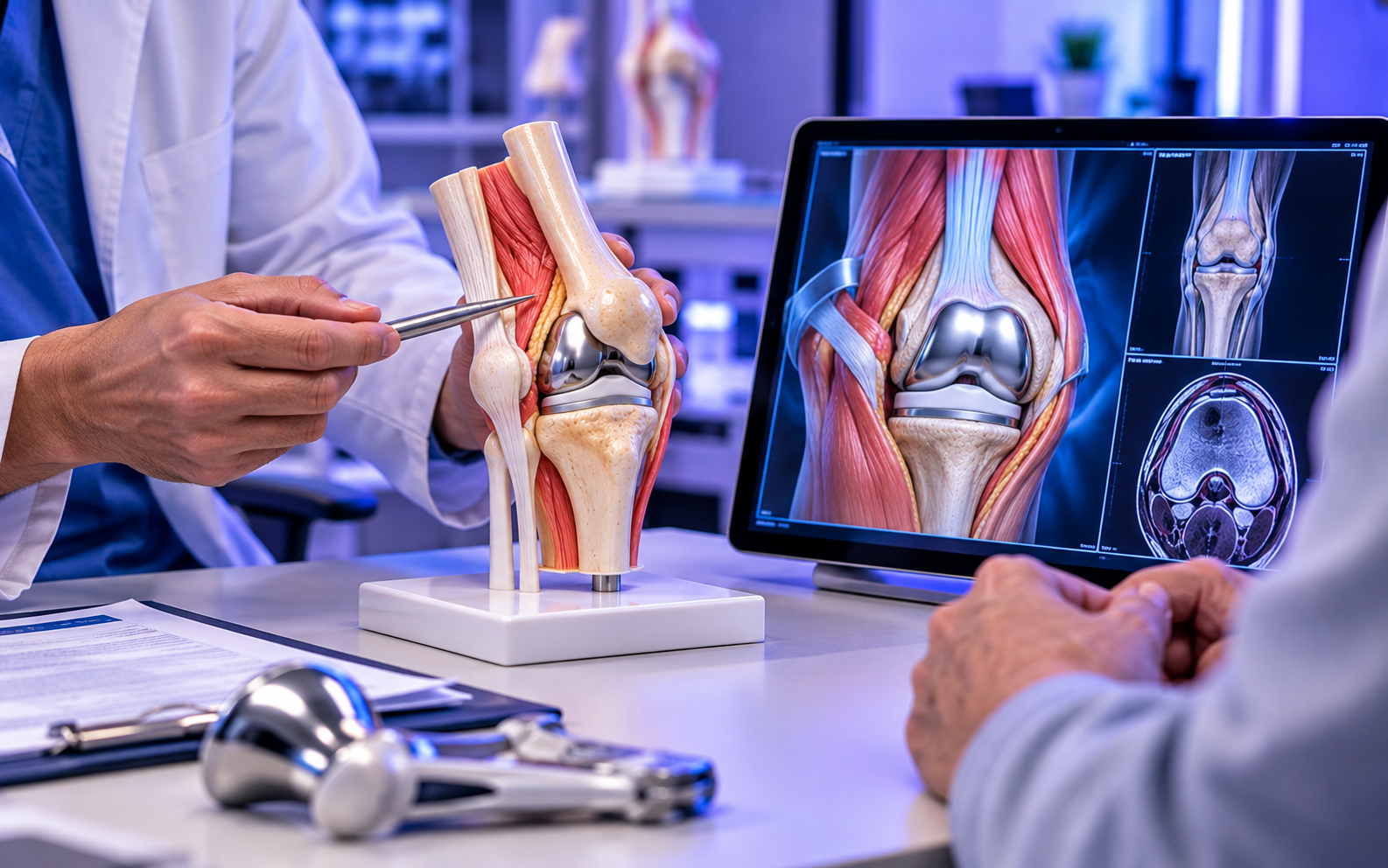
Surgeon-led
Your surgeon will discuss whether this technique is appropriate.
Is it suitable for everyone?
No. Whether the Subvastus approach is used depends on several factors, including the pattern of arthritis, previous surgeries, body habitus and other clinical considerations. Your surgeon will assess whether this approach is appropriate for your specific situation.
What are the potential advantages?
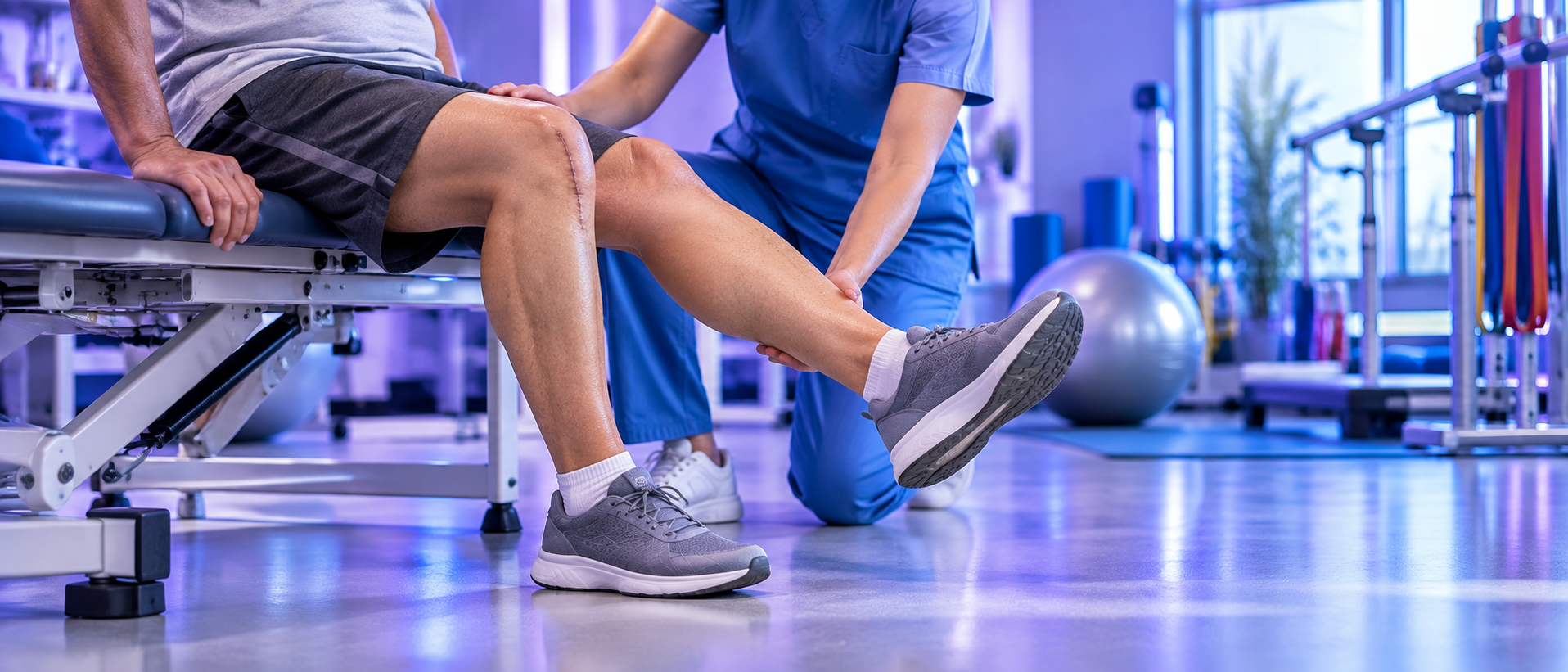
Because the quadriceps tendon is preserved, some surgeons consider this approach to support earlier mobilisation and rehabilitation in selected patients. However, individual outcomes vary and depend on many factors. Your surgeon will discuss what is realistic in your case.
What should I ask my surgeon?
- Whether the Subvastus approach is suitable for my case
- What alternatives may be appropriate
- What my recovery may look like
- What rehabilitation and follow-up is recommended
Recovery considerations
Recovery after knee replacement varies between individuals. Factors such as general health, home support, and participation in physiotherapy all play a role. Your surgeon will discuss post-operative care, activity restrictions and follow-up based on your specific situation.
Medical disclaimer: This article is for general educational purposes only and is not a substitute for personalised medical advice. Whether a procedure is appropriate depends on your individual clinical assessment, imaging and overall health.